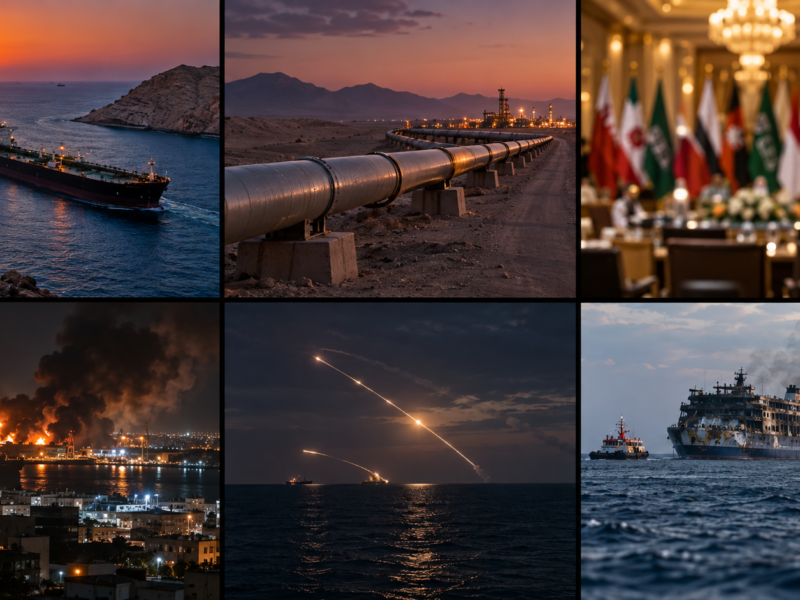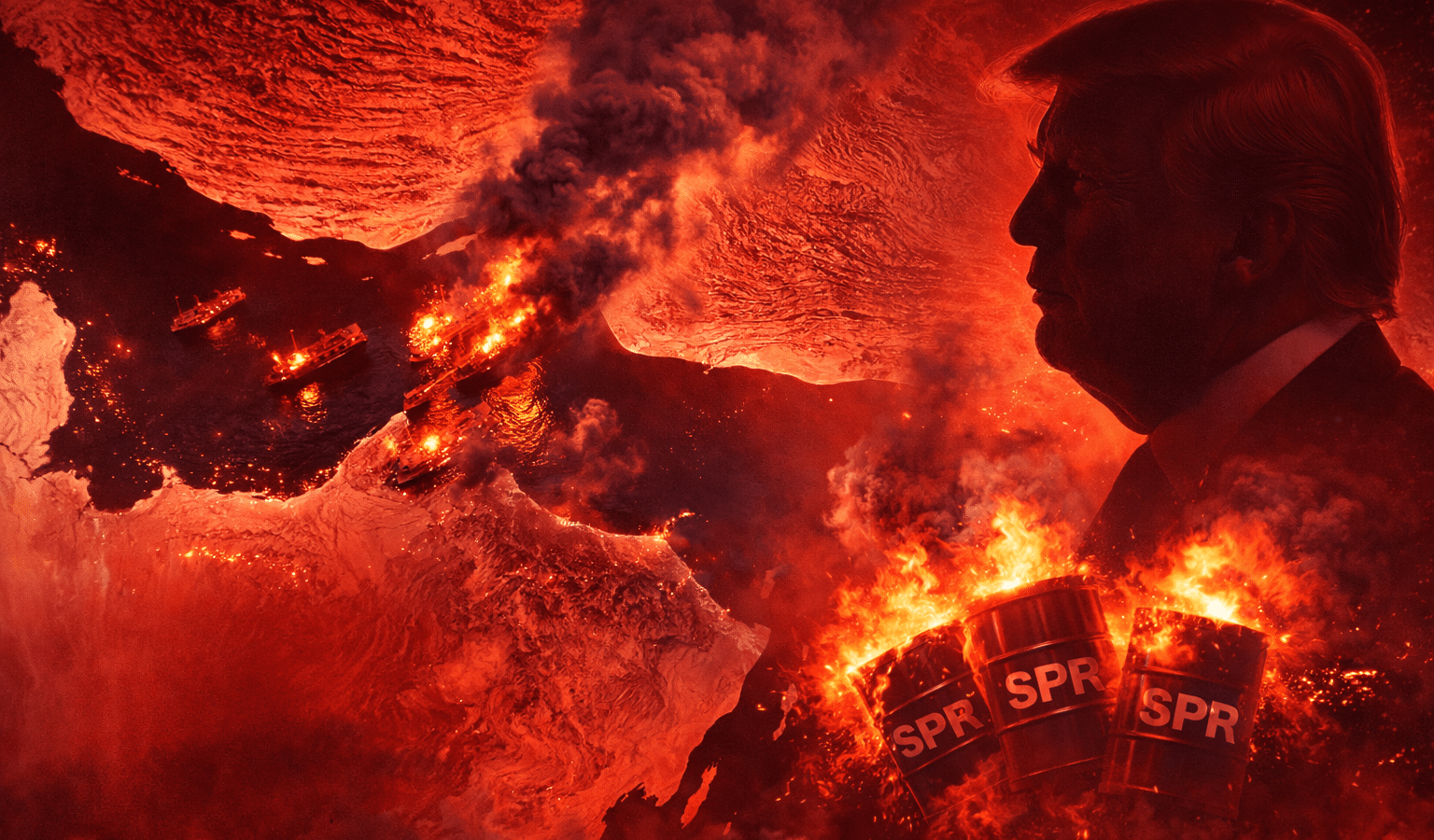
The Trump administration has committed to releasing 172 million barrels from the Strategic Petroleum Reserve (SPR), spearheading the International Energy Agency’s record 400-million-barrel global oil drawdown to counter price surges stemming from the ongoing conflict with Iran and critical disruptions to oil shipping lanes in the Strait of Hormuz.
Crisis Ignites Global Response
Iran’s naval actions have effectively sealed the Strait of Hormuz — one of the world’s most strategically vital oil chokepoints, responsible for approximately 20% of global oil transit. Iranian forces have struck at least 13 vessels in the waterway, slashing an estimated 15 million barrels per day from global markets. The disruption sent oil prices surging above $119 per barrel, the highest level seen in years, before markets partially stabilized following the IEA’s coordinated emergency announcement. The Strait of Hormuz connects the Persian Gulf to the Gulf of Oman and serves as the primary export route for major oil producers including Saudi Arabia, the UAE, Kuwait, and Iraq — making any sustained closure a severe threat to global energy stability.
The United States leads the IEA’s collective response with its 172-million-barrel commitment, far outpacing contributions from other member nations. Japan has pledged 80 million barrels, while South Korea will contribute 22.46 million barrels. Other IEA members are expected to account for the remaining volume of the 400-million-barrel total. Deliveries are scheduled to begin next week and will be distributed over a 120-day period to help stabilize supply and calm markets.
Trump’s Sudden Reversal
The decision marks a striking about-face for President Trump, who just days earlier had publicly dismissed the idea of tapping the SPR. Trump had argued that the United States possessed sufficient domestic oil production and that reserve supplies should be prioritized for military and national security needs. He had also previously criticized former President Biden’s 2022 decision to release 180 million barrels from the SPR, characterizing it as politically motivated and fiscally irresponsible. Interior Secretary Doug Burgum confirmed the reversal was Trump’s own decision, made that morning. By evening, Energy Secretary Chris Wright had formally confirmed the drawdown plan and pledged that 200 million barrels would be replenished into the reserve the following year.
Reserves at Breaking Point
The SPR currently holds approximately 415 million barrels — just 58% of its total capacity and the lowest level since the 1980s. This latest drawdown would consume more than 41% of remaining holdings, raising serious questions about long-term energy security. Critics have pointed to a pattern of unfulfilled refill commitments: despite the Biden administration requesting $20 billion in Congressional funding to replenish reserves, lawmakers approved under $171 million, with the remainder redirected toward tax cut priorities. Energy analysts at Macquarie have cautioned that strategic reserve releases offer only short-term price relief, and that without a resolution to the conflict, oil prices could remain highly volatile — potentially spiking in unpredictable waves until a peace agreement is reached.
Canadian Context: What This Means for Canadians
While Canada is the largest supplier of oil to the United States and is not directly dependent on Strait of Hormuz shipments, Canadians are unlikely to escape the economic ripple effects of this global energy crisis. Gasoline prices at the pump are already sensitive to international crude benchmarks, and sustained elevated oil prices above $119 per barrel could push fuel costs higher across the country in the weeks ahead. Canadian heavy crude, priced relative to West Texas Intermediate, stands to benefit in terms of producer revenues — a potential boon for Alberta’s oil sector — but consumers and industries reliant on transportation and heating fuels may face added cost pressures. The Bank of Canada will also be watching closely, as prolonged energy price spikes can feed into broader inflation, complicating monetary policy decisions at a time when the Canadian economy is navigating ongoing trade uncertainty with the United States.

Harnaik Singh Rathor is the Founder, Publisher, and Editor-in-Chief of StudioX News Canada, Canada's multilingual digital news network serving diaspora communities across 44 languages. With a background in media production, public relations, and multicultural communications, he founded StudioX Film and TV Corporation to bridge the gap between mainstream Canadian media and the country's diverse immigrant communities. He is a member of the Canadian Association of Journalists (CAJ), RTDNA Canada, CPRS Vancouver, NEPMCC, and the Canadian Freelance Union (Unifor). Based in Surrey, British Columbia. | LinkedIn: https://www.linkedin.com/in/harnaiksinghrathor/ | Muck Rack: https://muckrack.com/harnaiksinghrathor | Email: editor@studioxnews.ca