Toyota global sales 2026 figures released Thursday showed the automaker’s worldwide sales, including Lexus, fell 3% year-on-year to 5,008,898 vehicles for the January-to-June period, according to Nikkei. The decline was driven largely by weak demand in China amid rising gasoline prices, marking Toyota’s first year-on-year drop in two years.
Despite the decline, Toyota maintained its position as the world’s top-selling automaker for the seventh consecutive year, outperforming rivals including Volkswagen, which has struggled amid a slowdown in electric vehicle sales, Nikkei reported.
Toyota continued to expand sales of electrified vehicles, including hybrids, with electrified models accounting for 54% of total global sales during the period, the first time that share has exceeded half for this six-month period, according to the report.
In North America, hybrid versions of the Camry sedan and Tacoma pickup truck performed strongly, Nikkei reported. Electric vehicle sales in the region rose 2.4 times year-on-year to 193,172 units, with the bZ4X performing well domestically.
Sales in China totaled 694,670 vehicles, down 17%, which Nikkei attributed to rising gasoline prices linked to instability in the Middle East. Sales across Asia overall also fell 7% to 1,436,054 vehicles, as growth in emerging markets such as Indonesia was not enough to offset the slowdown in China, according to the report.
Toyota’s global sales for June alone rose slightly to 868,454 vehicles. While sales in China declined, strong domestic sales in Japan helped total sales exceed the previous year’s figure for the first time in five months, Nikkei reported.
The latest figures follow a similar pattern seen earlier in the year, according to related Nikkei reporting. Toyota’s global sales in May fell 7% year-on-year to about 830,000 vehicles, with China sales down roughly 30% amid elevated fuel prices. In March, global sales had also declined 7% to about 890,000 vehicles, with sales to the Middle East down around 30% during that period. Nikkei separately reported that combined sales for Toyota and Honda in China fell for the April-to-June period, which the outlet attributed to weak demand for gasoline-powered vehicles in the market. By contrast, combined sales of Japan’s six major automakers in the United States reached their highest April-to-June level in five years, a trend Nikkei linked to rising gasoline prices driving increased demand for hybrid vehicles.
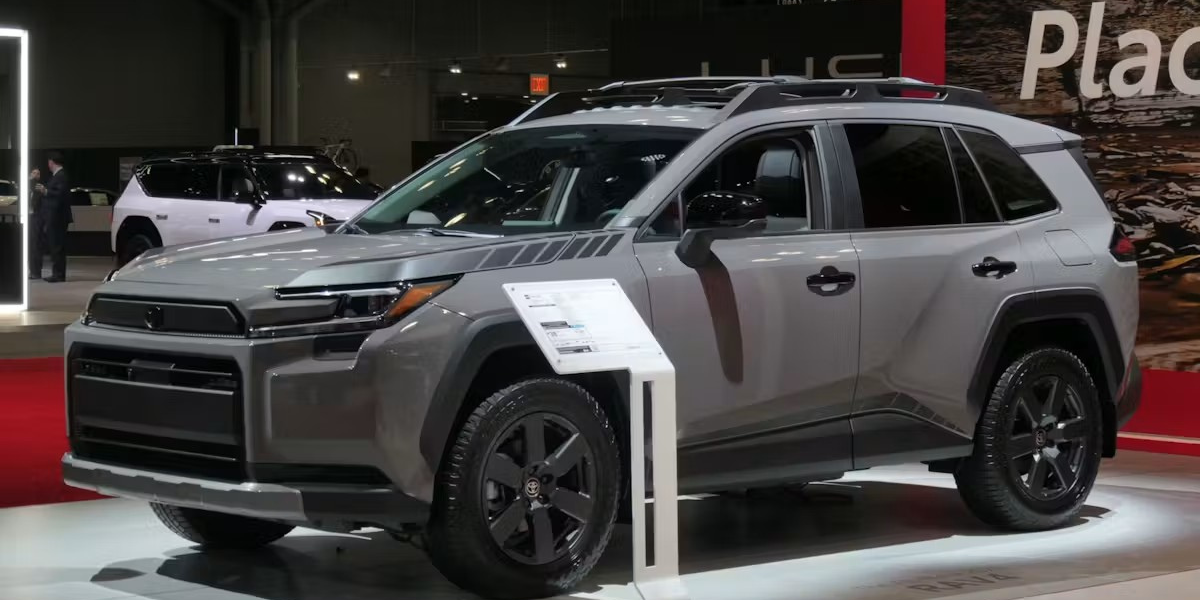
Toyota also reported global production for the January-to-June period fell 1% to 4,863,749 vehicles. Production in North America declined as the company transitioned its production lines to the new RAV4 SUV model, according to the report. Citing reduced demand linked to instability in the Middle East, Toyota said it plans to cut overseas production by about 100,000 vehicles by around February 2027. The planned production cuts reflect the company’s broader effort to align output with softer demand in key overseas markets affected by fuel price volatility.
Nikkei noted that the United States, Mexico and Canada are currently renegotiating the USMCA trade agreement, while the European Commission has outlined plans to strengthen regional production and procurement, reflecting a broader trend toward protectionist policies in the US and Europe. The report said the outlook for the Middle East situation also remains uncertain and is expected to remain so for some time. Further information on Toyota’s financial performance is available through Toyota’s official investor relations page.
The results come amid a broader period of mixed performance across major global manufacturers navigating supply chain pressures and shifting regional demand. In a separate sector, other companies have reported strong recent earnings tied to different demand drivers, including Samsung’s AI profit surge amid chip demand. No further details on Toyota’s pricing strategy or additional regional breakdowns beyond those disclosed were included in the available reporting on Toyota global sales 2026.

I am Rukaiya Kadiwala, an experienced News Content Writer with 6+ years of expertise in hospitality, travel, hotel, restaurant, business, and lifestyle news. Skilled in writing, research, fact-checking, headline creation, and digital publishing, I create accurate, engaging, and high-quality content that informs and attracts readers worldwide.