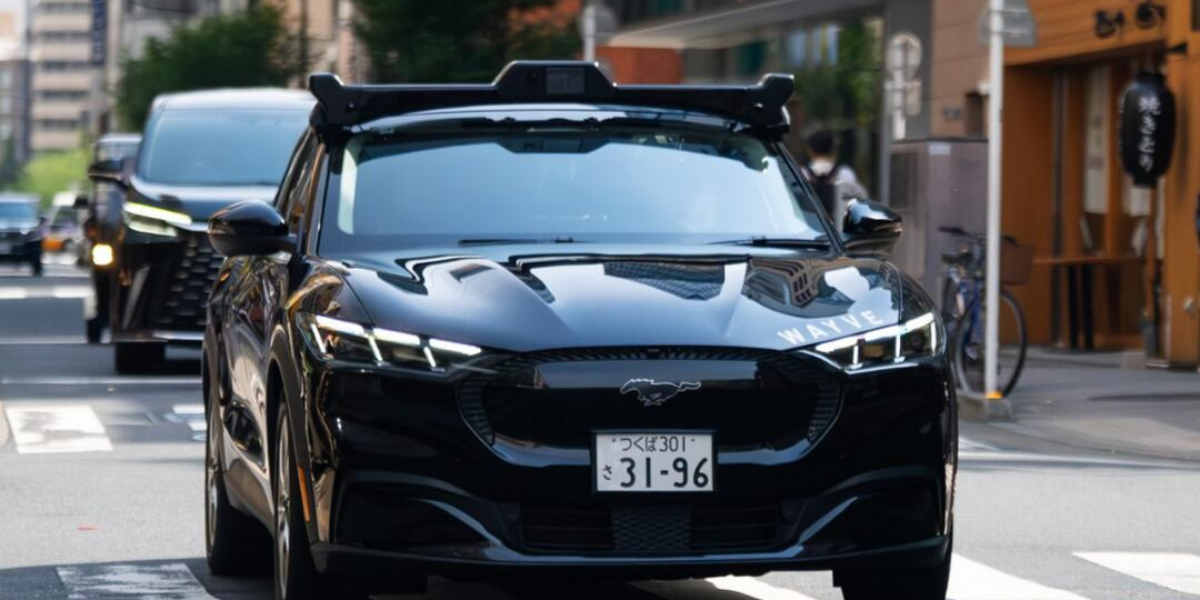
The first London robotaxi fleet has moved a step closer to commercial launch after Transport for London granted private hire licences to a group of autonomous vehicles, on the condition that a human driver remains present, according to the BBC. Uber said inspectors had confirmed that vehicles using technology developed by British autonomous driving company Wayve met all of TfL’s policy and safety standards.
Under the terms of the private hire vehicle licence, a qualified driver must be present in the Uber robotaxi and remain responsible for the vehicle at all times, journeys could begin later this year. A TfL spokesperson said safety remained the organisation’s “top priority” and that any new vehicle must align with its target of eliminating all deaths and serious injuries on London’s roads by 2041. The vehicles being used are electric Ford Mustang Mach-Es modified with camera pods and small radar units.
The licensing completes what the BBC described as the “triple-lock” requirement for private hire trips, under which the operator, driver and vehicle must all hold licences with the same authority. For the vehicles to eventually operate without a human driver, separate approval would be required from the Driver and Vehicle Standards Agency.
Uber said some of the 100,000 people who signed up to experience self-driving taxis London-wide would be offered rides later this summer, ahead of a full public launch, with human drivers initially sitting behind the wheel ready to take control. According to the BBC, Transport for London (TfL) confirmed that drivers will remain formally in charge and take full responsibility for fare-paying passengers, and noted that minicab unions are unlikely to welcome the development amid job-loss concerns.
Wayve autonomous vehicles vice president Sarah Gates called the licence an “important step” toward safer, cleaner and quieter streets. Uber’s global head of autonomous mobility operations, Annie Duvnjak, said the company’s interest list had seen a strong response from Londoners eager to try Wayve’s technology.
Wayve was founded in 2017 by two University of Cambridge PhD students, according to the BBC. According to the BBC, London will become the first city to use Wayve’s autonomous driving technology for commercial passenger journeys. The company is also working with car manufacturers including Nissan and Stellantis. The rollout adds to a broader wave of major transport developments globally this year, including Tata Motors also reporting strong passenger vehicle sales growth for July 2026.

I am Rukaiya Kadiwala, an experienced News Content Writer with 6+ years of expertise in hospitality, travel, hotel, restaurant, business, and lifestyle news. Skilled in writing, research, fact-checking, headline creation, and digital publishing, I create accurate, engaging, and high-quality content that informs and attracts readers worldwide.