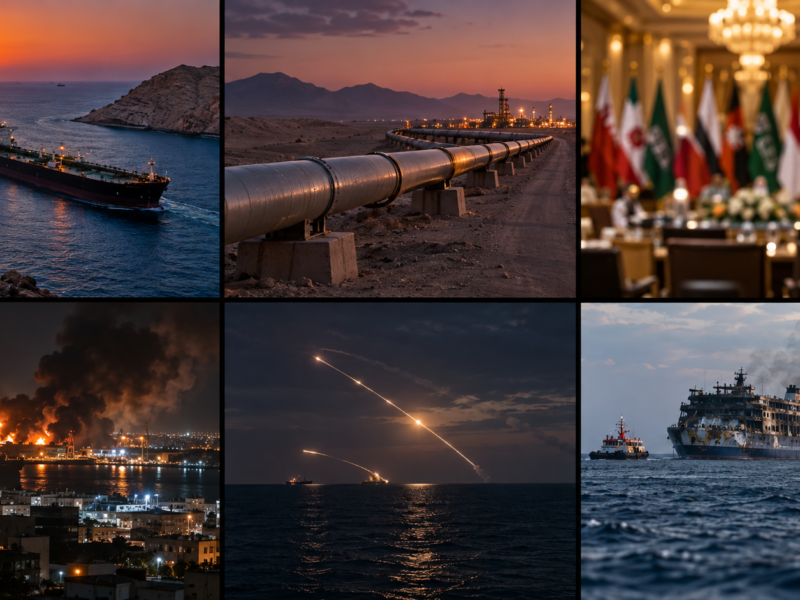

The Houthis’ Red Sea tanker attack on Thursday struck two Saudi oil tankers, Encelia and Layla, setting both vessels on fire and pushing international oil prices above $100 a barrel for the first time since May 2026. Yemen’s Iran-backed Houthi rebels claimed the strike in a statement issued via the group’s SABA news agency, marking their first reported attack on a vessel since announcing a blockade of Saudi-linked shipping through the Bab el-Mandeb Strait earlier this week, according to The Hindu. The group said the move was in retaliation for Saudi Arabia’s blockade on Yemen and a recent strike on the international airport in Sanaa, the Houthi-held capital.
Brent crude, the international benchmark, briefly surged 7% following the attack, rattling markets already under pressure from the wider Iran-U.S. conflict and the near-closure of the Strait of Hormuz, a waterway through which roughly a fifth of the world’s traded oil and gas passed in peacetime. The tanker strike raised fears of a second maritime chokepoint opening alongside Hormuz, compounding disruption to global energy supply routes.
U.S. President Donald Trump said Washington would hold Iran responsible for the Houthis’ actions and warned of “major military punishment” if attacks on shipping continued. He also said frozen Iranian assets would be used to pay for damage done to ships and cargo linked to the conflict. The U.S. military said it had carried out a 12th consecutive night of strikes on Iran around the same period, as Washington and Tehran continued to compete for control of the Hormuz waterway.
Pakistan’s Foreign Office said it would respond “swiftly” to any hostile act against vessels carrying its flag or commercial interests in the Red Sea, calling such acts a “grave threat” to national security, though Islamabad has so far stayed out of direct involvement in the conflict. The United Kingdom’s Foreign Office condemned the tanker strikes as a “serious violation” of international law, and the European Union’s foreign policy chief, Kaja Kallas, described the attacks as “unacceptable,” warning of further destabilisation in the region.
Germany’s Defence Minister, Boris Pistorius, said the strikes raised the risk of imminent escalation with “dire consequences” for the region and for global energy supplies. European Central Bank President Christine Lagarde said the conflict had pushed inflation risks “to the upside,” pointing to the potential for a deepening energy shock to filter through prices and wages. Foreign ministers at an ASEAN summit in Manila separately called for freedom of navigation through international straits amid the fallout from the tanker attack and the broader regional conflict.
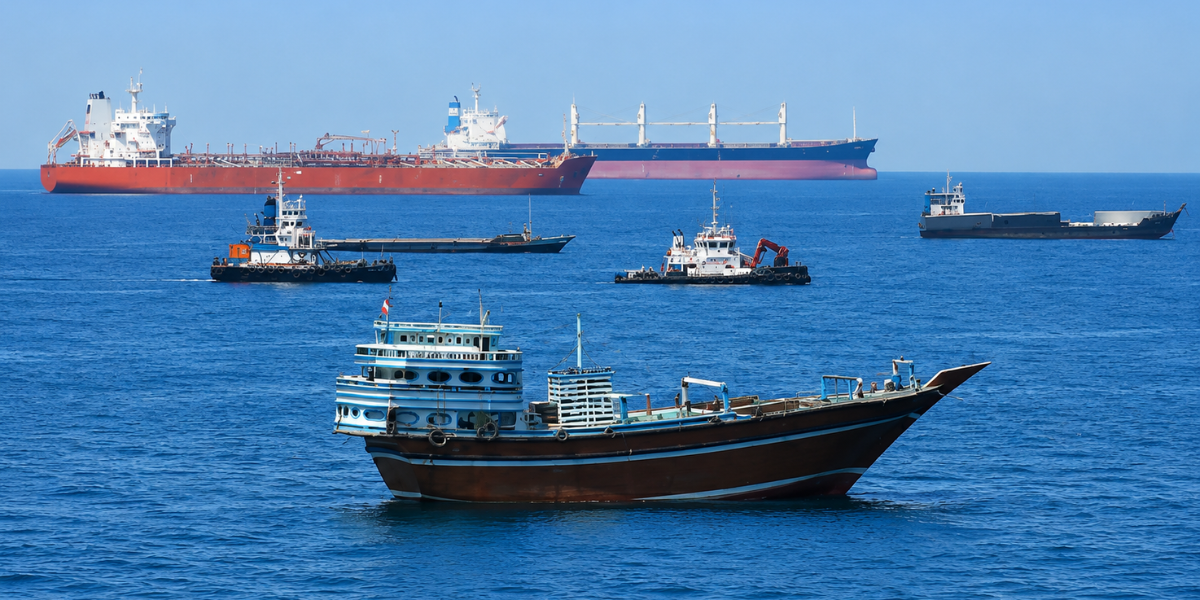
The latest tanker strikes have also renewed concerns about the security of one of the world’s busiest maritime trade routes. The Bab el-Mandeb Strait connects the Red Sea with the Gulf of Aden and is a key passage for ships moving between Asia, Europe and the Middle East. Any prolonged disruption could force commercial vessels to take longer routes around Africa, increasing shipping costs, fuel consumption and delivery times. Energy analysts are closely watching whether the Houthi attacks remain limited to Saudi-linked vessels or expand to other commercial shipping. A wider campaign could put additional pressure on oil markets and further increase costs for consumers and businesses worldwide.
Saudi Arabia has not issued an official statement on the tanker strikes through the Saudi Press Agency as of Thursday. The Houthis have not indicated whether further attacks on Saudi-linked shipping are planned, and there were no confirmed signs of a diplomatic breakthrough to de-escalate the wider conflict. Since the Houthis’ Red Sea tanker attack, oil markets have remained volatile, with traders and shipping firms monitoring the Bab el-Mandeb and Hormuz corridors for further disruption , even as other sectors, such as hospitality, deal with unrelated economic shifts like the recent business rates cut for pubs.

I am Rukaiya Kadiwala, an experienced News Content Writer with 6+ years of expertise in hospitality, travel, hotel, restaurant, business, and lifestyle news. Skilled in writing, research, fact-checking, headline creation, and digital publishing, I create accurate, engaging, and high-quality content that informs and attracts readers worldwide.