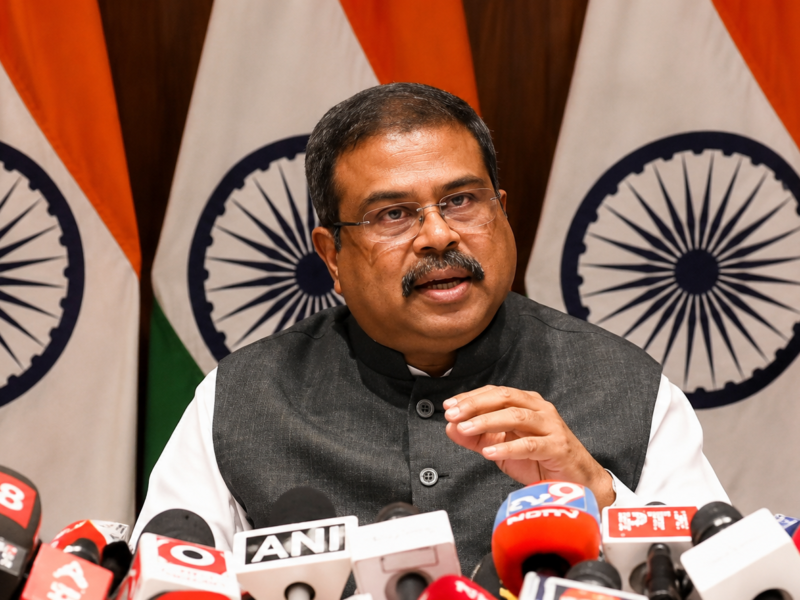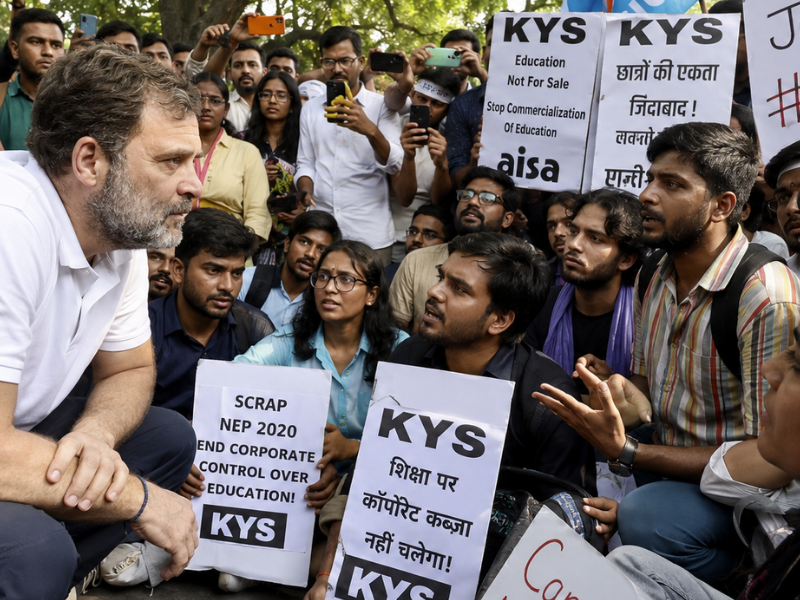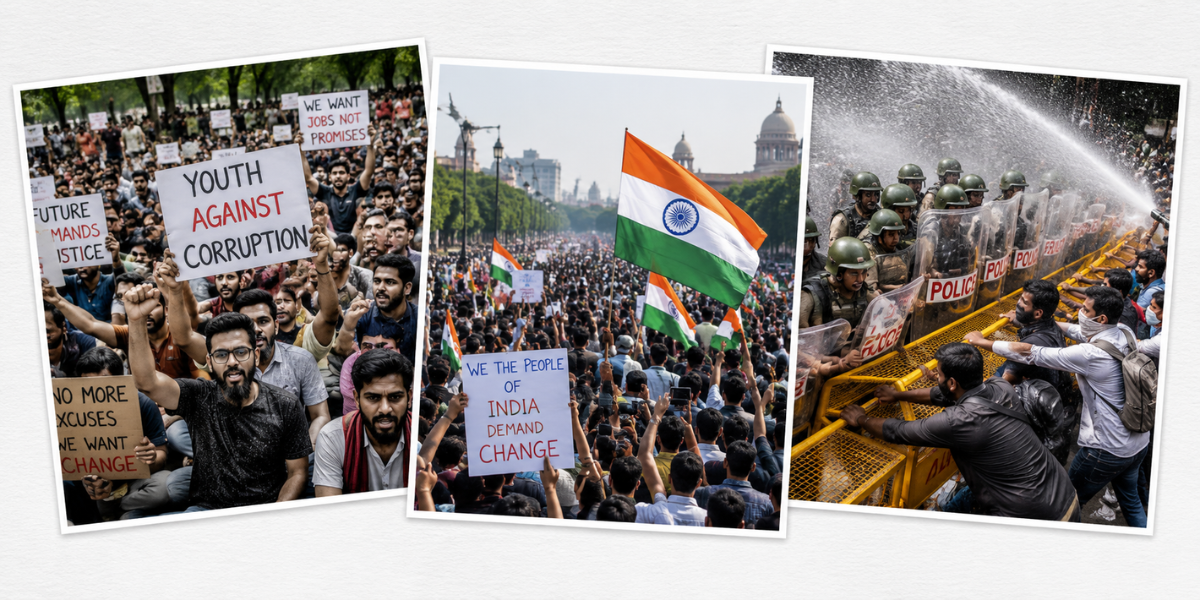
The CJP protest challenges Modi government as the youth movement grows, evolving from anger over examination paper leaks into what is being described as India’s biggest student mobilisation in years, according to BBC reporting. The movement, led by the Cockroach Janta Party (CJP), is demanding education reforms and the resignation of Education Minister Dharmendra Pradhan, after tens of thousands of young people attempted to march on parliament earlier in the week and were met with tear gas and baton charges from police.
At the centre of the movement is activist Sonam Wangchuk, who said he lost 11kg during a 26-day hunger strike in support of the protests before ending his fast on Friday. Student leaders have said demonstrations will continue until their demands are met, the BBC reported. Separately, the Wall Street Journal reported that CJP founder Abhijeet Dipke said supporters “will not step back” even after Wangchuk’s hunger strike ended on Friday following concessions from the government.
According to the BBC, what distinguishes this movement from earlier protests against Modi’s government , including those over citizenship laws or farm policies , is that it is not rooted in ideology or the interests of a single community. Yamini Aiyar, a senior visiting fellow at Brown University, told the BBC that the examination and education system “cuts across caste, class and gender,” meaning the protest’s core constituency does not represent a singular interest group.
Rahul Verma, a fellow at the Centre for Policy Research, told the BBC that the movement centres on administrative failure rather than policy or ideology, which he said presents a different kind of political challenge for the ruling Bharatiya Janata Party (BJP). He noted that many protesters are not natural opponents of the BJP, but rather “aspirational young Indians and their parents” who view the exams as a path to upward mobility, making it harder for the government to rally its usual base against the movement.
The BBC reported that Monday’s demonstrations reinforced assessments that the protest movement had moved beyond online momentum into sustained street action. Aiyar said the turnout was notable because organised groups such as student unions and Left-aligned organisations were “outnumbered by an organic outpouring of students from all over the country,” a pattern she described as unique compared with other major protests in India’s recent history.
After initially leaving the response to ministers and party spokespeople, the BJP’s top leadership engaged directly on Wednesday, with Defence Minister Rajnath Singh accusing the opposition of using students “as a political tool” while maintaining the government remained committed to addressing their concerns through parliament, according to the BBC. Modi addressed the issue publicly for the first time on Thursday, announcing fast-track courts to ensure “swift and stringent punishment” for those involved in paper leaks and writing on social media that those responsible “will not be spared.”
Aiyar told the BBC that the protests reflect broader anxieties over a slowing economy, scarce jobs, and diminishing opportunities, describing “deep economic dissatisfaction and distress” that has translated into a lack of hope about the future among young people. Economist Surajit Mazumdar of Jawaharlal Nehru University said the scale of the response indicated widespread discontent that extends beyond the specific paper leak issue, and rejected the characterisation of the protests as post-ideological, comparing them to the farmers’ movement in demonstrating that “the democratic spirit is still alive in Indian society.”
Political scientist Suhas Palshikar offered a more cautious assessment, suggesting on social media that the movement “may simply provide an outlet for public anger before gradually losing steam,” similar to the farmers’ protests, and warned against framing it solely as a youth or Gen Z uprising. Whether the movement sustains its momentum, according to the BBC, will depend on factors including the government’s response, potential state repression, media coverage and the movement’s ability to maintain a broad coalition. The Ministry of Education has not issued a separate statement addressing the protesters’ demands beyond public remarks by Pradhan and Modi, according to available reporting.

I am Rukaiya Kadiwala, an experienced News Content Writer with 6+ years of expertise in hospitality, travel, hotel, restaurant, business, and lifestyle news. Skilled in writing, research, fact-checking, headline creation, and digital publishing, I create accurate, engaging, and high-quality content that informs and attracts readers worldwide.